
The weekend field guide
Antique show, flea market or trade days: what is the difference?
How an antique show, a flea market and trade days differ in sellers, goods, setting and prices, and how to pick the right kind of event for your visit.
An antique show is usually a curated gathering of dealers selling older and collectible goods, often indoors or under tents; a flea market is a broader, more casual market with many sellers and a wide mix of goods; and trade days is a regional name for a recurring market that may combine antiques, crafts, produce and household items. The names overlap, so read each event's description rather than relying on the label.
This guide explains how the three tend to differ, what to expect as a buyer at each, how to dress and prepare, and how to choose. It also helps sellers choose where to set up. Listings link to the organizer's source and show admission and hours when the source states them.
Antique shows
An antique show typically gathers dealers who specialize in older and collectible goods, such as furniture, glass, pottery, silver, jewelry, textiles, art, advertising, tools and books. Many shows are juried or have rules about what may be sold, which helps keep the quality consistent. They are often held in halls, fairgrounds or large tents, and many run on a set schedule.
Buyers at antique shows often come looking for particular items or periods, and dealers are used to questions about history and condition. Prices tend to reflect the dealer's research and expertise. Dealers are often willing to talk about an item, give a receipt with a description and, for some pieces, arrange delivery.
Flea markets
A flea market is a broader marketplace where many sellers set up tables or spaces to sell a mix of goods. You might find antiques and collectibles beside new items, tools, clothing, household goods, books and records. Quality varies a great deal, and so do prices. Some flea markets run weekly, some monthly, and some are held on a few days in a season.
Flea markets reward patience and a good eye. There are bargains, but you need to check condition carefully, because sellers may not know what they have or may not describe it accurately. Many are outdoors, so weather matters.
Trade days
Trade days is a name used in some regions for a recurring market, often held monthly on a weekend, where sellers bring everything from antiques to crafts, plants and household goods. They can be large, sprawling events with fields of vendors, food and a festive feel. Some are mostly antiques, and some are mostly new goods.
Because the name does not tell you the mix, read the event description. Look at the listing's venue and organizer, and open the source for details. Some trade days also have special seasonal editions focused on the holidays.
How the three differ for buyers
At an antique show, expect a more focused selection, more documentation, and generally higher and more consistent prices. At a flea market, expect a wide range of goods, more variation in quality and more room for bargains and for mistakes. At trade days, expect a mix that depends on the event, a lot of walking and often a festival atmosphere.
Which suits you
If you want a specific piece, such as period furniture or a particular type of glass, an antique show is usually the better bet. If you enjoy hunting and are comfortable judging condition yourself, a flea market can be rewarding. If you want an outing with a bit of everything, trade days may be the fun choice. Many buyers go to all three.
Preparing for each
For any of them, wear comfortable shoes and bring a bag or cart, a tape measure, a notebook with the measurements of spaces at home, wrapping for fragile items and a way to pay. At outdoor markets, add sun protection, water and rain gear. For large items, bring a vehicle that can carry them, blankets and straps, or ask about delivery.
Check the organizer's page for hours, admission and parking. Some shows have an early-entry period with a different admission, and some markets are best early in the day. Our guide on buying and haggling at antique shows covers how to approach sellers.
If you want to sell
Choose the kind of event that matches your stock. Fine antiques usually do better at a curated show. Mixed household goods may do well at a flea market. If you are not sure, try a smaller event first. Ask the organizer how space is assigned and what you may sell, and read our guide on selling at an antique show.
Use the state pages to find events near you, and the this-weekend page for something soon. If a date or detail looks wrong, use the correction link on the listing.
Frequently asked questions
Are antique shows more expensive than flea markets?
Often, because dealers research and document items, but prices vary. Compare, ask questions and judge each item on its own merits.
Are flea markets and trade days the same thing?
They are similar but not the same. Names vary by region, so read the event description.
Do I need to pay to get in?
Admission varies. Some events are free and some charge. Check the listing and the organizer's page.
Is an early start worth it?
Often, for the best selection. Some events have early-entry hours, so check the organizer's information.
Are these events held rain or shine?
Outdoor events often have weather policies. Check the organizer's page or contact them.
How do I find events near me?
Browse the state pages in this directory and open each listing's source to confirm details.
Put your plan into motion
Find your next show.
Use the listing's official source to confirm the latest dates, public hours and entry rules.
Find shows in this directoryKeep planning
More useful guides

Planning your first show: a visitor checklist
Choose a show that suits your interests, confirm the practical details and keep the organizer’s information handy before you travel.
Read guide : Planning your first show: a visitor checklist
Preparing to sell at an antique show: a seller checklist
Confirm your seller application, table equipment, setup time and organizer terms before booking a place at a antique show.
Read guide : Preparing to sell at an antique show: a seller checklist
Selling at an antique show: what to settle first
Before you rent space at an antique show, settle the dealer terms, what you may sell, how to describe and price items, display, transport and payment for a smooth day.
Read guide : Selling at an antique show: what to settle first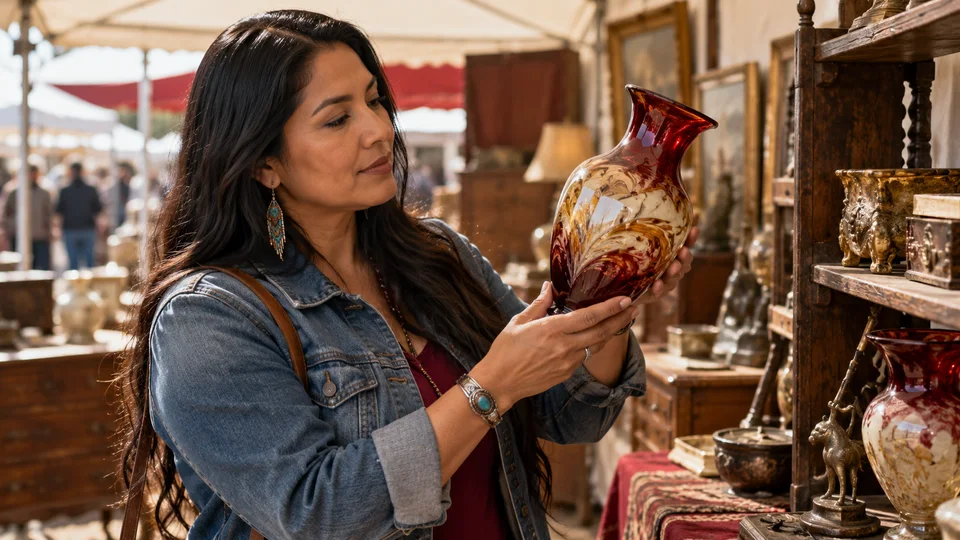
Buying and haggling at antique shows
How to buy and haggle at antique shows: inspect condition and authenticity, ask good questions, negotiate politely, get receipts and get large pieces home safely.
Read guide : Buying and haggling at antique shows
Planning a trip to a large multi-day antique market
How to plan a trip to a large multi-day antique market: pick your days, book lodging, map your route, set a budget, pack well and arrange to ship what you buy.
Read guide : Planning a trip to a large multi-day antique market
How to check an antique before you buy it at a show
Before you buy an antique at a show, look closely, ask about age and condition, compare prices, get a written receipt and learn the return terms before you pay.
Read guide : How to check an antique before you buy it at a show