
The weekend field guide
Planning a trip to a large multi-day antique market
How to plan a trip to a large multi-day antique market: pick your days, book lodging, map your route, set a budget, pack well and arrange to ship what you buy.
To plan a trip to a large multi-day antique market, choose your days and your goals, book lodging as early as you can, map a route that matches your priorities, set a budget, pack for walking and weather, and decide in advance how you will get large purchases home. A little planning turns an overwhelming field of vendors into a productive few days.
This guide covers timing, lodging, getting around, what to bring, how to pace yourself, how to buy and ship large items and how to keep records. Large markets often run across many fields, halls and sites with their own hours and admission, so confirm details with the organizers. Listings link to their sources and show admission and hours when the source states them.
Decide what you want from the trip
Large markets can be overwhelming. Write down your goals: a category such as furniture, glass, textiles or garden items, a project such as furnishing a room, or simply an outing. Having a goal helps you ignore what does not matter and spot what does.
Decide how much time you have and how many days you will attend. Many people split their visit between an early rush for the best items and a later, more relaxed day. Others come for a single day and plan their route carefully. Choose what works for you.
Timing and hours
Large markets often run for several days, and individual sites may have different hours, admission and opening days. Some sites open earlier for a different admission, and some close earlier on the last day. Read the organizer's information for each site you plan to visit. Do not assume that hours at one site apply to another.
Plan your days around your priorities. Visit the sites most likely to have what you want early in your trip, and keep time for discoveries. Weather can change the pace of a day, and the last day can bring bargains but a smaller selection. Check the weather forecast and the organizer's weather policy.
Lodging and getting around
Book lodging as early as you can. Large markets can fill nearby hotels well in advance, and prices may rise. Check the cancellation policy, and consider staying a little farther out if rooms close to the market are full. Check how far lodging is from the sites you want to visit.
Learn about parking and traffic. Some sites have paid or limited parking, and roads can be crowded. Consider arriving early or using shuttles if they exist. Bring a map or save offline directions, since signal can be poor. Decide how you will move between sites and where you will meet if you split up.
What to bring
Comfortable shoes are essential. Bring sun protection, a hat, water, snacks and rain gear. Bring a bag or cart, a tape measure, a notebook with the measurements of spaces at home, wrapping materials and a flashlight. Bring a way to pay that suits the vendors you expect to meet, and keep valuables close.
If you are driving, bring blankets, straps, boxes and padding in your vehicle. Think about what you can fit, and what you will need to ship. Photographs of rooms and existing furniture can help you judge pieces. A small first-aid kit is useful on long days outdoors.
Pace yourself and set a budget
Decide how much you are willing to spend before you arrive. Set aside a reserve for shipping or delivery of large pieces. It is easy to overspend when you see many appealing items, and a plan helps you stay on track.
Pace yourself. Walk the sites you most want to see first, then take breaks. Eat, drink and rest. If you see something you love but are not sure, take a photo, note the vendor's location and decide after a lap. Large markets are tiring, and decisions made when you are exhausted are not always the best. For more on how to inspect and negotiate, see our guide on buying and haggling at antique shows.
A simple day plan
Start at the sites most likely to hold what you want, take a long break in the middle of the day, and use the last hours to revisit anything you photographed. Keep one pocket or pouch for receipts so they stay together.
Buying large items and shipping
Large items need a plan. Measure doorways, stairs and spaces at home before you go. Ask the vendor about delivery or hold, and ask who can help with packing and shipping. Many vendors can recommend a shipper or arrange one. Get a written quote if you can, and confirm what is included, such as packing, insurance and delivery to the door.
If you drive home with your purchase, wrap carefully and secure items so they do not shift. Keep receipts and photographs. When you arrive home, check the items against your records and report any damage promptly to the vendor or shipper.
Keep records and plan the next trip
Keep a simple record of what you bought, from whom and what you paid. Note which sites and vendors were most useful, and what you wish you had brought. These notes help you plan the next trip.
Use the state pages to find other markets and shows, and read our guide to antique show, flea market or trade days to choose the right kind of event. If a listing shows a detail that looks wrong, report it through the correction link.
Frequently asked questions
How far ahead should I book lodging?
As early as you can. Large markets fill nearby hotels, so check the cancellation policy when you book.
Are all sites open the same hours?
No. Hours and admission can differ by site and by day. Check the organizer's information for each.
Should I bring cash?
Vendors choose how they take payment. Bring more than one way to pay and ask each vendor.
What if it rains?
Policies vary. Check the organizer's weather policy and pack rain gear.
How do I get large items home?
Ask vendors about delivery or a recommended shipper, get a written quote and measure your doorways before you buy.
Is a large market good for beginners?
It can be, if you plan carefully and pace yourself. A smaller event may be easier for a first visit.
Put your plan into motion
Find your next show.
Use the listing's official source to confirm the latest dates, public hours and entry rules.
Find shows in this directoryKeep planning
More useful guides

Planning your first show: a visitor checklist
Choose a show that suits your interests, confirm the practical details and keep the organizer’s information handy before you travel.
Read guide : Planning your first show: a visitor checklist
Preparing to sell at an antique show: a seller checklist
Confirm your seller application, table equipment, setup time and organizer terms before booking a place at a antique show.
Read guide : Preparing to sell at an antique show: a seller checklist
Selling at an antique show: what to settle first
Before you rent space at an antique show, settle the dealer terms, what you may sell, how to describe and price items, display, transport and payment for a smooth day.
Read guide : Selling at an antique show: what to settle first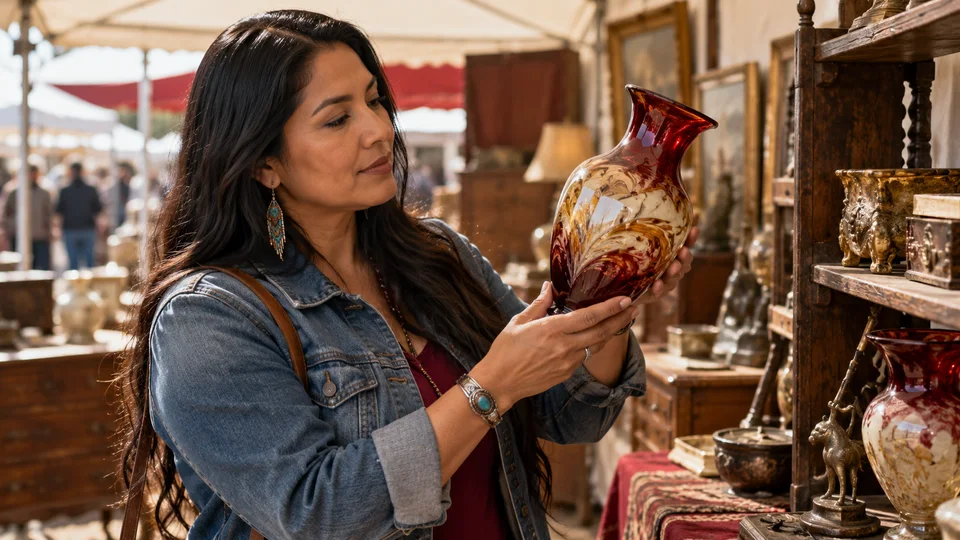
Antique show, flea market or trade days: what is the difference?
How an antique show, a flea market and trade days differ in sellers, goods, setting and prices, and how to pick the right kind of event for your visit.
Read guide : Antique show, flea market or trade days: what is the difference?
Buying and haggling at antique shows
How to buy and haggle at antique shows: inspect condition and authenticity, ask good questions, negotiate politely, get receipts and get large pieces home safely.
Read guide : Buying and haggling at antique shows
How to check an antique before you buy it at a show
Before you buy an antique at a show, look closely, ask about age and condition, compare prices, get a written receipt and learn the return terms before you pay.
Read guide : How to check an antique before you buy it at a show