
The weekend field guide
Buying and haggling at antique shows
How to buy and haggle at antique shows: inspect condition and authenticity, ask good questions, negotiate politely, get receipts and get large pieces home safely.
To buy well at an antique show, look closely before you ask the price, ask what the dealer knows about the piece, negotiate politely and get a written description with your receipt. Most dealers expect some conversation about price, but they expect it to be respectful, and the buyers who build relationships often get the best offers.
This guide covers how to prepare, how to inspect condition and authenticity at a high level, which questions to ask, how to ask for a better price, how to handle large pieces and how to protect yourself with documentation. Practices vary by dealer and by region, so use your judgment, and take your time on any expensive purchase.
Prepare before you go
Know what you are looking for and what you can spend. Bring a short list, the measurements of the spaces where a piece will live and a tape measure. Photographs of rooms can help you judge color and scale. Bring a flashlight and a small magnifier to look at marks and detail. Bring wrapping and bags for small items.
Do some reading about the categories that interest you. You do not need to be an expert, but knowing the basics helps you ask better questions. Walk the show once before you buy. Prices and quality vary, and a first lap helps you compare. If you see something you love and the price is right, you can still go back to it.
Inspect condition
Pick up pieces carefully, with permission, and look at all sides. For furniture, open drawers and doors, check joints, look underneath and inside, and see whether parts match. For glass and pottery, look for chips, cracks and repairs, which can be easier to see in raking light or by feel. For textiles, look for stains, moth damage and fading. For metals, check for dents, repairs and plating wear. For paintings and prints, look at the frame and the back.
Ask whether anything has been repaired, restored or replaced. Honest dealers will tell you. Repair is not always a problem, but it affects value, and you should know about it before you pay.
Furniture, glass and paper, in short
On wooden furniture, look for hand-cut versus machine-cut joinery, consistent aging inside drawers and under tops, and signs of replaced hardware. On glass and pottery, run a fingertip around rims and handles to feel chips you cannot see. On paper, prints and books, look for foxing, fading and tears, and ask whether anything has been trimmed or reframed.
Authenticity at a high level
Reproductions and later copies exist in most categories, and some are made to deceive. You do not need to be an expert to protect yourself, but you should ask. Ask how the dealer dated the piece and what they based it on. Look at construction details, wear patterns and materials, and ask whether they are consistent with the period claimed. Marks and labels can help, but they can also be added or copied.
For an expensive piece, ask for a written description that includes age, maker if known, materials, and any repairs. If the dealer is unwilling to write down what they say, consider that. If you are unsure, consider consulting an independent appraiser or specialist, or buy something smaller from the dealer first and learn from the experience.
Ask good questions
Dealers appreciate questions that show interest. Ask what they know about the history of the piece, where they found it and what they like about it. Ask whether there is documentation. Ask about care, such as how to clean or display it. These questions open conversations and often lead to useful information.
Avoid questions meant to catch the dealer out, and avoid dismissing an item loudly. Respect the dealer's expertise even if you disagree. A friendly approach builds a relationship, and dealers remember buyers who come back.
How to haggle politely
Haggling is part of many antique markets, but how you do it matters. Look at the item first and ask, in a friendly tone, whether the dealer has any flexibility on the price. If the dealer offers a number, you can respond with a reasonable counter. If the dealer says the price is firm, accept it.
Buying several items from one dealer is a natural time to ask for a better price. Be realistic. A very low offer can be insulting, especially to a dealer who has researched or restored a piece. Late in the day, some dealers are more willing to move items rather than carry them home, but that is not guaranteed. If you walk away, do so politely. Sometimes the dealer will call you back with a better offer.
Paying, receipts and getting it home
Ask how the dealer takes payment before you agree on a deal. Get a receipt that lists the item, the description, the price and the dealer's contact details. Photograph the item and its marks for your records. If you are buying for insurance or resale, the receipt and photographs are valuable.
For large or fragile pieces, ask about delivery or hold. Many dealers will hold an item until the end of the day while you bring your vehicle around, and some can arrange shipping. Bring blankets, straps and padding for furniture. Wrap glass and pottery well. Measure doorways and stairs before you buy a large piece, since a perfect find that does not fit through your door is no bargain.
After the show
Check the item at home against the receipt and photographs. Clean gently, and avoid harsh cleaners until you know what the surface is. Keep a simple record of what you bought, from whom and when. If you plan to attend more events, use the state pages, and read our guide to antique show, flea market or trade days to choose the right kind.
Frequently asked questions
Is it rude to ask for a lower price?
No, if you do it politely. Ask whether there is any flexibility and accept the answer.
When is the best time to buy?
Early gives the best selection, and later in the day can give more room to negotiate. Neither is guaranteed.
How can I tell if something is a reproduction?
Ask the dealer how they dated it, check construction and wear, and for expensive items get a written description or an independent opinion.
Should I get a receipt?
Yes. Ask for one with a description of the item, the price and the dealer's contact details.
Can dealers hold items for me?
Many will for a short time. Ask, and agree on when you will return.
Can dealers ship purchases?
Some can or can recommend a shipper. Ask before you buy a large piece.
Put your plan into motion
Find your next show.
Use the listing's official source to confirm the latest dates, public hours and entry rules.
Find shows in this directoryKeep planning
More useful guides
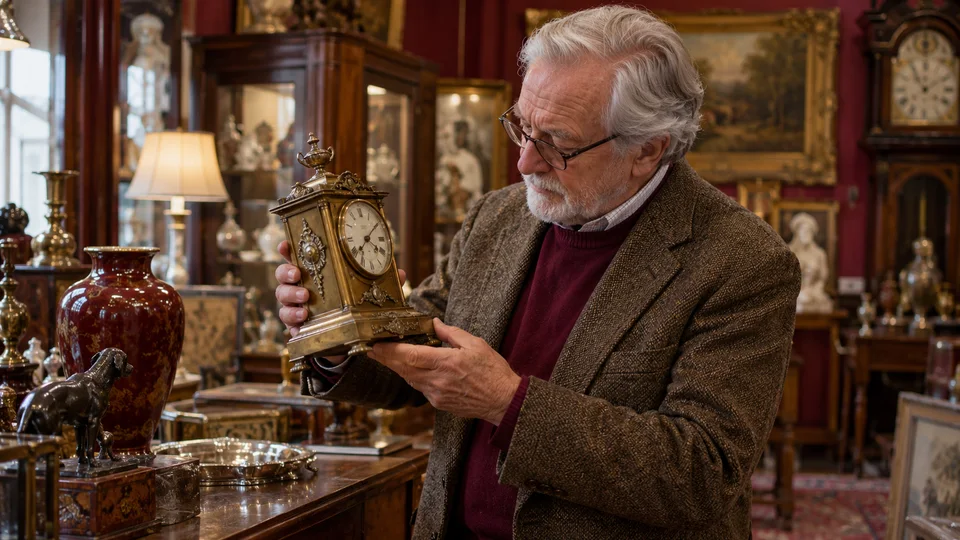
Planning your first show: a visitor checklist
Choose a show that suits your interests, confirm the practical details and keep the organizer’s information handy before you travel.
Read guide : Planning your first show: a visitor checklist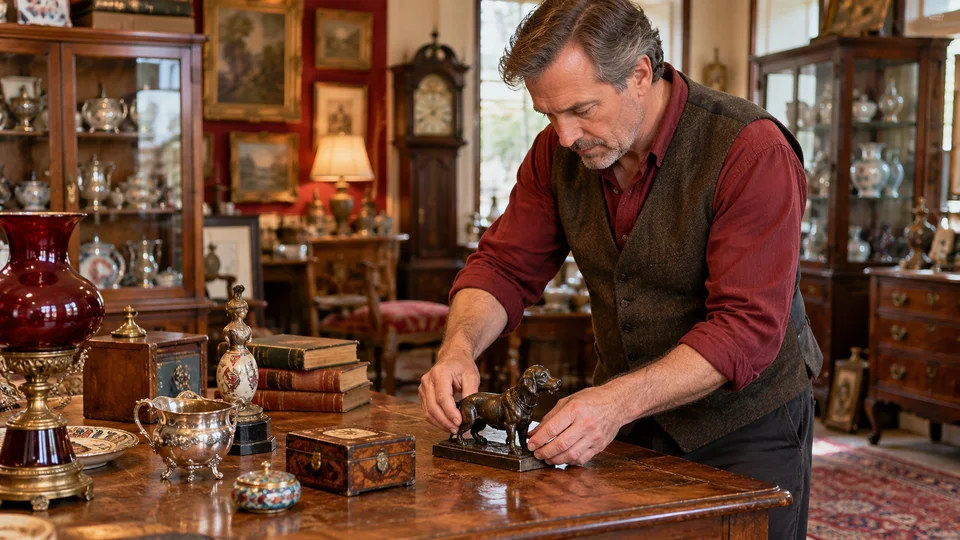
Preparing to sell at an antique show: a seller checklist
Confirm your seller application, table equipment, setup time and organizer terms before booking a place at a antique show.
Read guide : Preparing to sell at an antique show: a seller checklist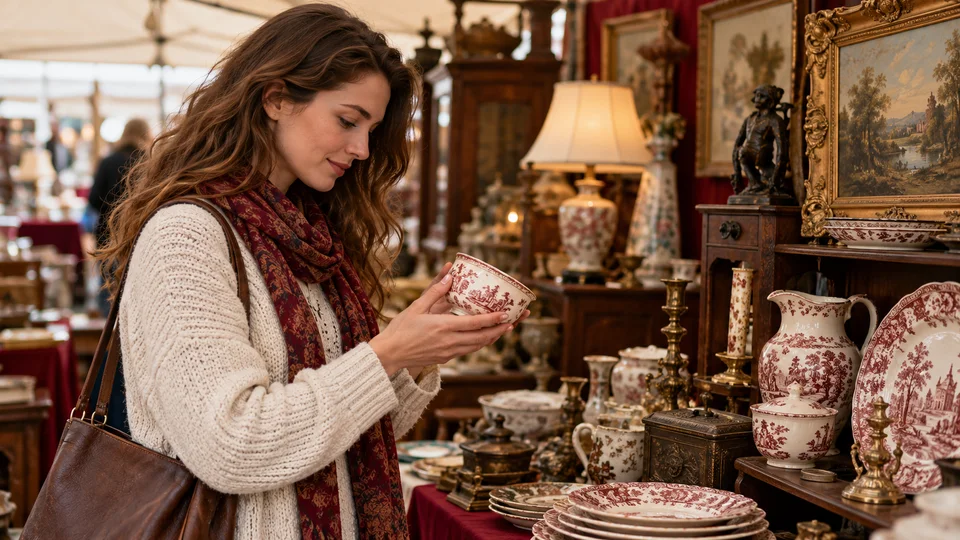
Selling at an antique show: what to settle first
Before you rent space at an antique show, settle the dealer terms, what you may sell, how to describe and price items, display, transport and payment for a smooth day.
Read guide : Selling at an antique show: what to settle first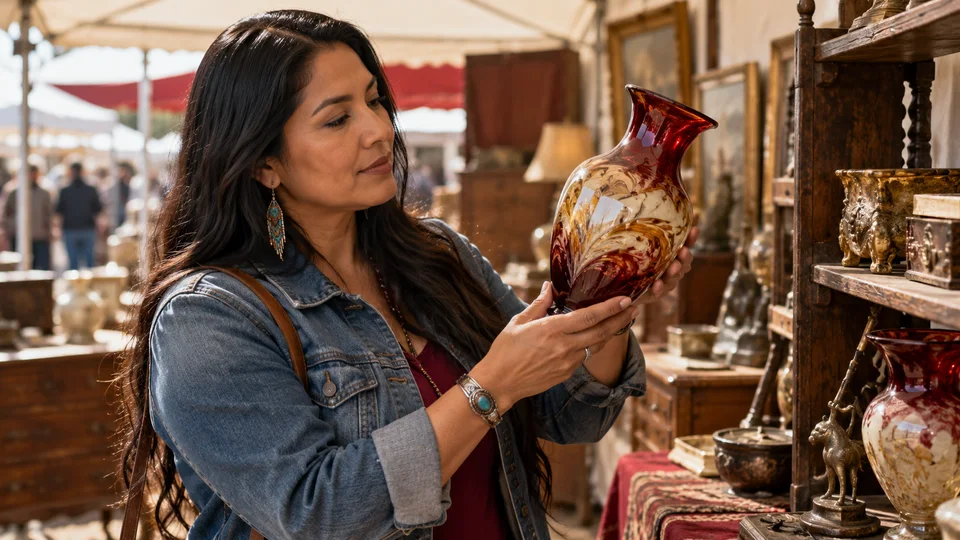
Antique show, flea market or trade days: what is the difference?
How an antique show, a flea market and trade days differ in sellers, goods, setting and prices, and how to pick the right kind of event for your visit.
Read guide : Antique show, flea market or trade days: what is the difference?
Planning a trip to a large multi-day antique market
How to plan a trip to a large multi-day antique market: pick your days, book lodging, map your route, set a budget, pack well and arrange to ship what you buy.
Read guide : Planning a trip to a large multi-day antique market
How to check an antique before you buy it at a show
Before you buy an antique at a show, look closely, ask about age and condition, compare prices, get a written receipt and learn the return terms before you pay.
Read guide : How to check an antique before you buy it at a show