
The weekend field guide
Selling at an antique show: what to settle first
Before you rent space at an antique show, settle the dealer terms, what you may sell, how to describe and price items, display, transport and payment for a smooth day.
Before you rent space at an antique show, settle what the booth includes, what the organizer allows you to sell, how you will describe and price each item, how you will display and protect it, and how you will move it. Get those five things clear and your first show becomes a test of your stock rather than a scramble over logistics.
This guide is for first-time and occasional dealers, estate sellers and collectors who want to sell. It covers choosing a show, reading the terms, describing items honestly, pricing, display, loading, payment and follow-up. It is general information, not legal advice. Rules about what may be sold, sales tax and seller registration differ by place and by organizer, so ask the organizer and your local authorities.
Choose a show that matches your stock
Not every event suits every dealer. A juried antique show with a controlled mix of dealers draws buyers who expect quality and documentation and are often willing to pay for it. A flea market or trade days draws a broader crowd looking for bargains, tools, household goods and the occasional find. A vintage market draws buyers who like styled, restored or repurposed items.
Look at the type of event, the setting and the audience. Visit as a buyer first, if you can, and see what sells. Our guide on antique show, flea market or trade days explains the differences. Ask the organizer about the usual audience and how the event is promoted. A match between your stock and the buyers is worth more than a large crowd.
Read the terms before you pay
Use the contact on the listing or the organizer's own website to ask for the dealer terms. Useful points to confirm are the size of the space and whether it is indoors or outdoors, what is included such as tables, walls or power, whether the show is juried and how, what you may and may not sell, whether reproductions must be labeled, setup and teardown times, whether you may leave items overnight, and the cancellation and refund terms.
Ask about vehicle access and parking. A heavy or large item needs a clear route and a loading time. Keep the organizer's reply, and read the application before you sign. Browse the organizer pages for others who run events near you, and our checklist for preparing to sell for more basics.
Describe items honestly
Trust is the foundation of antique dealing. Buyers return to dealers who tell them what they are buying. Describe each item plainly. Say what it is, what it is made of, who made it if you know, and roughly when. Say what you do not know. Never describe an item as something you cannot support.
Condition and repairs
State damage, repairs, replacements and refinishing. A chip, a crack, a replaced handle or a marriage of two pieces affects value, and buyers prefer to hear it from you. If an item is a reproduction or a later copy, say so. Terms such as antique and vintage are used differently by different people, so describe the item rather than relying on the label.
Provenance and papers
If you have documents, receipts or a family history for an item, keep them with it. Buyers like to know where something came from. If you do not have a history, do not invent one.
Price, tag and negotiate
Price before the show. Research comparable items by checking recent sales rather than asking prices, and consider your costs and how quickly you want to sell. Tag every item with a price and a short description. Buyers walk away from items without prices.
Decide how much room you have to negotiate. Many buyers ask for a better price, and many dealers expect it. Decide whether you will offer a discount on several items or at the end of the day. Be consistent. A polite no is fine. Keep a simple record of sales with the date, item and price.
Display and protect your stock
Arrange your space so that buyers can see and reach items. Use different heights, put attractive pieces at the front and group similar items together. Keep fragile items out of the way of passing bags. Good lighting helps in a dim hall, and a clean cloth or backdrop makes items look better. Leave room for people to stand without blocking the aisle.
Keep small, valuable pieces where you can see them, or in a case. Do not leave valuables unattended. Ask neighbors to watch your space if you take a break. Keep a few basics at hand: tape, scissors, tags, pens, bags, wrapping paper, a tape measure and a first-aid kit.
Loading, moving and packing out
Plan how you will move items. Pack fragile pieces in wrapping and boxes. Use blankets and straps for furniture. Bring a cart or dolly. Think about the order of loading, so that the first items out are the first you need. Check the organizer's load-in rules and be ready to move your vehicle promptly once you have unloaded.
At the end of the day, pack carefully. Sold items may need wrapping, and buyers will often ask for help carrying them. Offer a box or a blanket if you can. Some buyers arrange to return for large pieces, so agree on a time and take their name and contact details.
Payment, records and follow-up
Decide how you will take payment and test it in the hall. Write a receipt for every sale, with the item, the description and the price. Keep a copy. Sales tax and seller registration vary by place. Ask the organizer what they require and check with the relevant local office. This guide is general information, not legal advice.
After the show, note what sold and what drew questions. Collect names of buyers interested in items you did not have, and follow up. Use the state pages to find your next event and compare the organizers' terms.
Frequently asked questions
How do I get space at an antique show?
Use the organizer contact on the listing or the organizer's own website, and ask how space is assigned and what it includes.
Do I need to label reproductions?
Many shows require it and buyers expect it. Ask the organizer and describe each item honestly.
How do I price antiques?
Check recent sales of comparable items in similar condition, consider your costs and tag every item. Prices vary by region and show.
Do I need a business license or to collect sales tax?
Requirements differ by place. Ask the organizer and your local authorities. We cannot say what applies to you.
Can I leave stock overnight?
That depends on the venue and the organizer. Ask what security is provided and what the rules are.
Does a listing mean the show is endorsed?
No. It means the show is in the directory with a cited source.
Put your plan into motion
Find your next show.
Use the listing's official source to confirm the latest dates, public hours and entry rules.
Find shows in this directoryKeep planning
More useful guides

Planning your first show: a visitor checklist
Choose a show that suits your interests, confirm the practical details and keep the organizer’s information handy before you travel.
Read guide : Planning your first show: a visitor checklist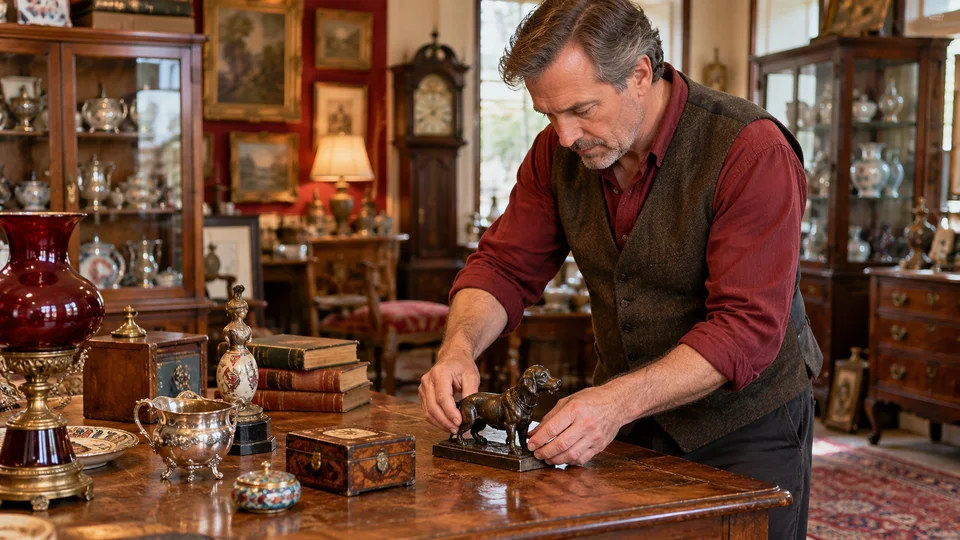
Preparing to sell at an antique show: a seller checklist
Confirm your seller application, table equipment, setup time and organizer terms before booking a place at a antique show.
Read guide : Preparing to sell at an antique show: a seller checklist
Antique show, flea market or trade days: what is the difference?
How an antique show, a flea market and trade days differ in sellers, goods, setting and prices, and how to pick the right kind of event for your visit.
Read guide : Antique show, flea market or trade days: what is the difference?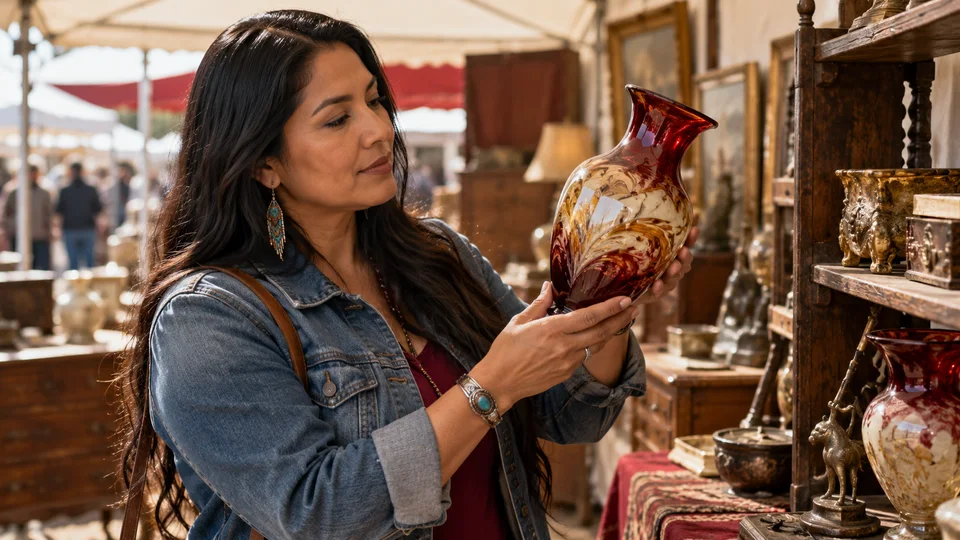
Buying and haggling at antique shows
How to buy and haggle at antique shows: inspect condition and authenticity, ask good questions, negotiate politely, get receipts and get large pieces home safely.
Read guide : Buying and haggling at antique shows
Planning a trip to a large multi-day antique market
How to plan a trip to a large multi-day antique market: pick your days, book lodging, map your route, set a budget, pack well and arrange to ship what you buy.
Read guide : Planning a trip to a large multi-day antique market
How to check an antique before you buy it at a show
Before you buy an antique at a show, look closely, ask about age and condition, compare prices, get a written receipt and learn the return terms before you pay.
Read guide : How to check an antique before you buy it at a show