
The weekend field guide
How to check an antique before you buy it at a show
Before you buy an antique at a show, look closely, ask about age and condition, compare prices, get a written receipt and learn the return terms before you pay.
To check an antique before you buy it, look at it closely in good light, ask the seller what they know about its age, maker and condition, compare it with similar pieces, and get a written receipt that describes what you are paying for. A few calm minutes at the booth protect you from most disappointments.
This guide is for shoppers at antique shows who want to buy with more confidence, whether it is a first purchase or a growing collection. It covers preparing before you go, what to look at, questions worth asking, signs of repair and reproduction, price and negotiation, receipts and what to do after you get the piece home. It is general information, not an appraisal and not legal advice. Sellers and shows set their own terms, so always ask.
Know what you are shopping for
The best protection is a little homework. Pick a category you care about, such as furniture, glass, pottery, silver, textiles or tools, and spend time with good examples before you shop. Visit museums and local historical societies, read reference books, and handle pieces whenever a dealer lets you. Photographs of items you own, and the measurements of the spaces where a purchase would go, make decisions easier in a busy aisle.
Decide your limits in advance: how much you are willing to spend, what condition you will accept, and how large a piece you can transport. A plan keeps excitement from making the decision for you. Our guide to buying and haggling at antique shows covers negotiating once you are ready to buy.
Look first, then ask
Walk the whole show before you buy anything, if you can. Pieces you pass early may look better or worse once you have seen the alternatives. When something interests you, ask to look at it closely, and handle it gently. A good dealer expects careful buyers and will often welcome them.
Use daylight or a bright lamp. Turn the piece over, open drawers, look inside and underneath, and look at the back. Wear and finish should make sense together: a surface that looks evenly aged all over, in the places where hands and use would have worn it, is a good sign. Wear that appears in odd places, or looks too uniform, deserves a question.
Questions worth asking
- What can you tell me about its age and where it was made?
- Is everything original, or has anything been replaced, repaired or refinished?
- Do you know where it came from, and do you have any papers?
- Is the price firm, and is there a better price for cash or for several items?
- What are your terms if I find a problem?
Read the signs of age and construction
Old pieces were often made differently from modern ones, and those differences leave clues. They are clues, not proof, and experts disagree on many items, so treat your own reading as one input among several.
Furniture
Look at how joints are made and whether they match the age you are told. Hand work tends to show small irregularities, tool marks and slightly uneven surfaces in places that were not meant to be seen, while modern machine work is more uniform. Check whether screws, nails and hardware look appropriate, whether the inside of drawers has the same aging as the outside, and whether the wood shows natural darkening where it would have met light and air.
Glass, pottery and metal
Hold glass to the light and look for seams, bubbles and wear on the base from sliding across surfaces. Look at pottery for marks, glaze crazing and chips, and check that the foot shows honest wear. For metal, look at the patina and the way edges and joins have softened with handling. If a mark is claimed, ask the seller to show you the reference, and remember that marks can be copied.
Spot repairs, replacements and reproductions
Repairs are common and not always a problem, but they affect value and you should know about them. Run a fingertip over cracks and edges, look for color changes under bright light, and check whether parts such as handles, lids, feet or knobs match the rest. A mismatched part may mean a replacement. Fresh, sharp edges where old wear should be may mean something has been altered.
Reproductions and later copies exist in every category. They are legitimate when sold honestly as what they are. Terms such as antique, vintage and period are used loosely, and they do not carry one legal meaning everywhere, so ask the seller to say in plain words what they mean by them. If the answers are vague or change when you ask again, that is information too.
Compare prices and negotiate fairly
Prices vary with condition, rarity, demand and the seller's costs. Look at recent sales of similar items, not only asking prices, and walk past a few booths to see what comparable pieces cost before you decide. A price that looks very low for a rare piece can mean a problem you have not found yet.
Be polite. Many dealers expect some negotiation, especially for several items, and some prices are firm. Ask what the best price is and listen to the answer. If you agree on a price, do not renegotiate after the dealer has wrapped the piece.
Get it in writing
Ask for a receipt that names the dealer, the date, the item, a plain description and the price. If the seller has told you something specific that matters to you, such as that a piece is original, ask them to include it. A written description is far easier to rely on later than a memory of a conversation.
Ask about returns before you pay. Some dealers offer a return window, some do not, and policies vary by dealer and by show. If a piece will be delivered, confirm who handles delivery, when it will happen and who is responsible for damage. Keep the receipt with your records for the piece.
After you buy: get it home and keep records
Wrap pieces so that they cannot shift and keep fragile items off the floor of the vehicle. When you get home, check the piece again in good light against the photographs you took and the description on the receipt. If something does not match, contact the dealer promptly and calmly with your receipt and photographs.
Keep a simple record of what you bought, from whom, when and for how much, with photographs and any papers. It helps with insurance, with future sales and with remembering what you learned. Use the organizer pages and the state pages to find more shows near you.
Frequently asked questions
Can I ask a dealer to hold an item while I walk the show?
You can ask. Some dealers will hold a piece briefly, some will not, and some ask for a deposit. Agree on the terms and keep a note of them.
Is it rude to ask about repairs?
No. Honest dealers expect the question and a plain answer is part of a fair sale. Ask politely and listen to how they respond.
How do I know if a mark is genuine?
Marks can be copied, so treat them as one clue. Ask the seller to show you the reference they rely on, and compare it with what you see on the piece.
Should I bring a magnifier and a light?
They are useful. A small loupe and a bright flashlight help you see seams, marks, repairs and wear that are hard to read in a dim hall.
What if I find a problem after I get home?
Contact the dealer promptly with your receipt and photographs. Whether they offer a return depends on their terms, which is why you ask before you pay.
Do I need an appraisal before buying?
Not for every purchase. For an expensive or unusual piece, you may want a second opinion from a specialist, and a dealer who is confident in the piece will usually allow it.
Put your plan into motion
Find your next show.
Use the listing's official source to confirm the latest dates, public hours and entry rules.
Find shows in this directoryKeep planning
More useful guides
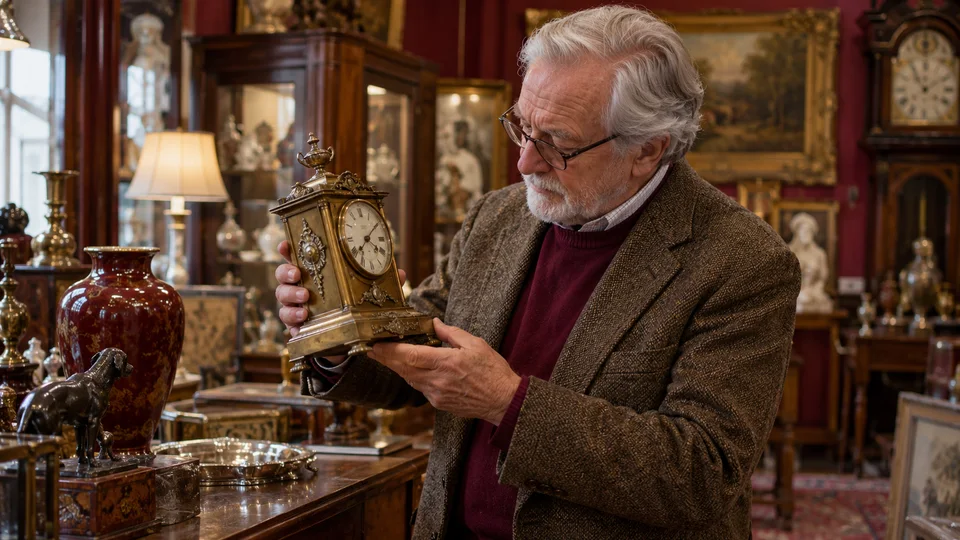
Planning your first show: a visitor checklist
Choose a show that suits your interests, confirm the practical details and keep the organizer’s information handy before you travel.
Read guide : Planning your first show: a visitor checklist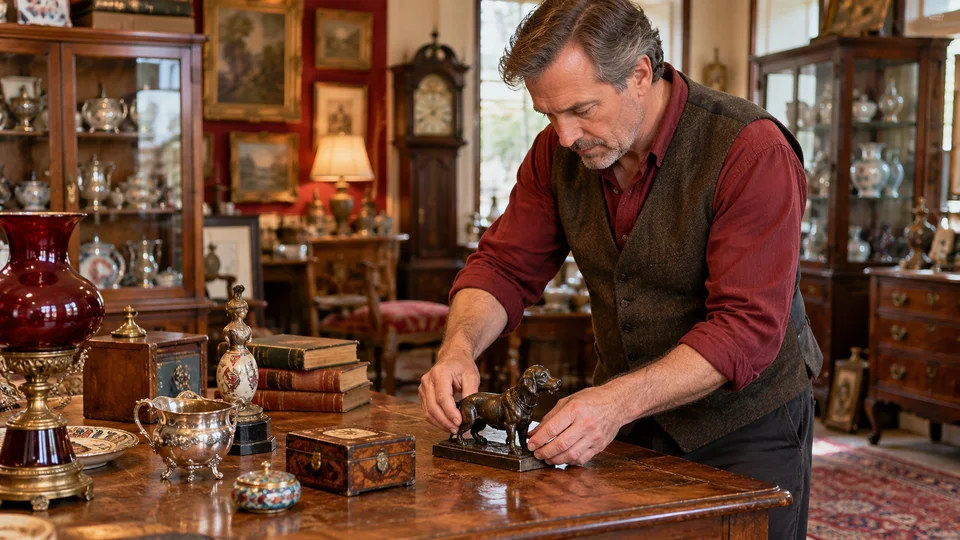
Preparing to sell at an antique show: a seller checklist
Confirm your seller application, table equipment, setup time and organizer terms before booking a place at a antique show.
Read guide : Preparing to sell at an antique show: a seller checklist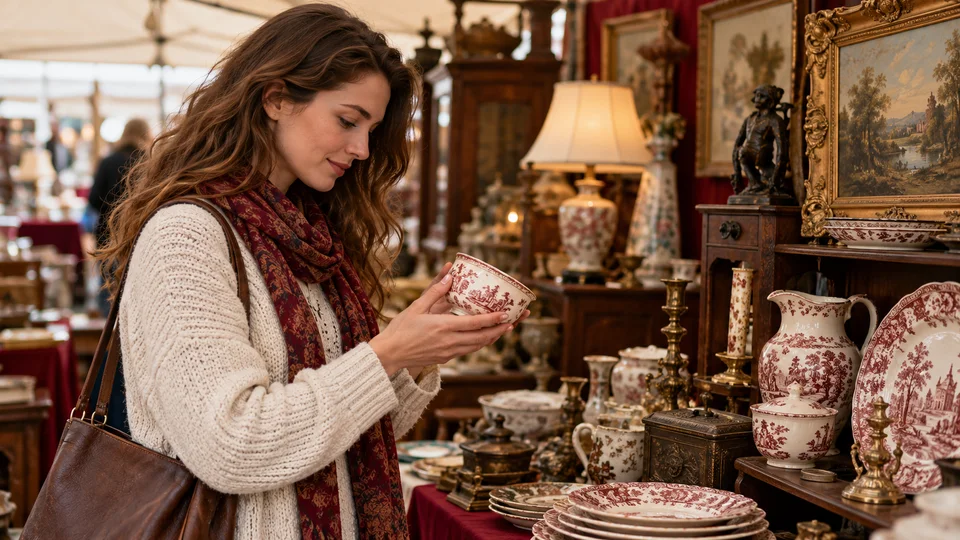
Selling at an antique show: what to settle first
Before you rent space at an antique show, settle the dealer terms, what you may sell, how to describe and price items, display, transport and payment for a smooth day.
Read guide : Selling at an antique show: what to settle first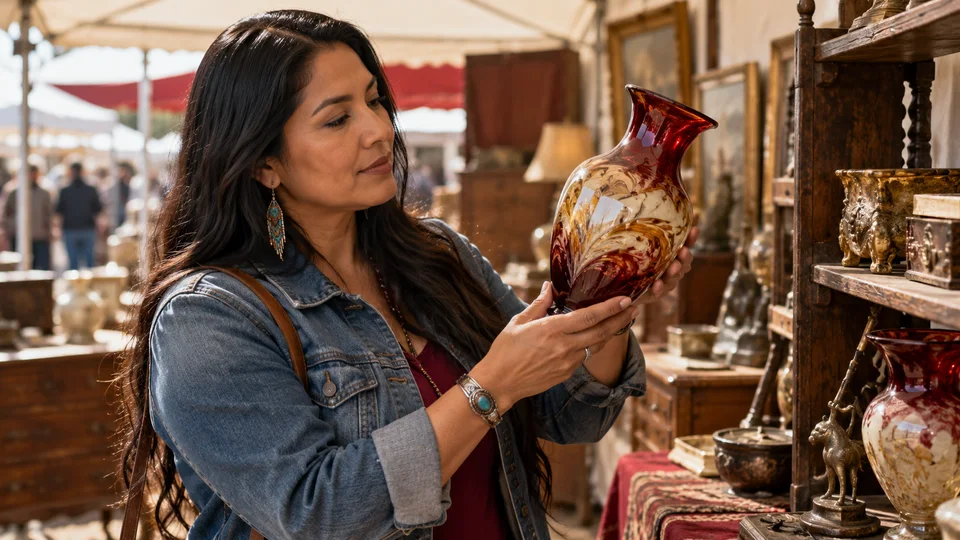
Antique show, flea market or trade days: what is the difference?
How an antique show, a flea market and trade days differ in sellers, goods, setting and prices, and how to pick the right kind of event for your visit.
Read guide : Antique show, flea market or trade days: what is the difference?
Buying and haggling at antique shows
How to buy and haggle at antique shows: inspect condition and authenticity, ask good questions, negotiate politely, get receipts and get large pieces home safely.
Read guide : Buying and haggling at antique shows
Planning a trip to a large multi-day antique market
How to plan a trip to a large multi-day antique market: pick your days, book lodging, map your route, set a budget, pack well and arrange to ship what you buy.
Read guide : Planning a trip to a large multi-day antique market